In 2014 I wrote a book about what it was like to be an artist in Australia. It was my first book, written from scratch, with a publisher. It was a big deal. Since I was a kid I wanted to be a writer. In my teenage years, the thought of writing a book felt epic. Penning a tome seemed like an intellectual Titanic. I had fear-streaked visions of sinking to the bottom of my subconscious.

In my early thirties, I felt strong enough to sail through the icebergs. I wanted to test the mettle of my artistic work ethic by sitting down at a desk at ten in the morning every day for four days in a row, weeks on end. This wasn’t aspiration camp – it was showtime. I went hard AND I went home. I wasn’t writing a fantasy novel – I was sweating personal stuff about awkward topics like the heartache of my career not turning out how I’d dreamed.
At the end of a days writing, I would sometimes curl up on the lounge room floor, aware of a sensation like the top of my head fizzing.
I was using muscles I didn’t know I had.
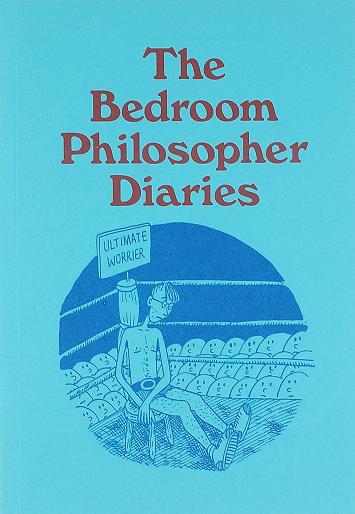
The year before, I’d made a ‘training book’ made up of tour diaries from my long-running ezine ‘LapTopping.’ I sent this (very blue) book around to various publishers. Only one seemed to show any interest. I pursued the relationship until it led to the pitching of Funemployed. (I just happened to be having a shit-time as an artist. I’d lost a lot of money on my self-produced musical at the Melbourne Comedy Festival and hadn’t had a holiday since I was twelve.)
‘Someone should write about what it’s really like,’ I sighed at Northern Soul Café in Thornbury.
‘Sure,’ replied the publisher. ‘You just don’t want it to seem like you’re whingeing.’ (Australians hate artists, I later learned.)
Initially, I wrote a two page pitch document, followed by a chapter breakdown. The next step was to flesh out three test chapters. The first time round, I only passed one out of three.

Writing is not for the faint of ego. I was under pressure to prove myself while held over the barrel of criticism – all before the project had even begun. Yikes on a biscuit. I sat on the tram, scrolling through a hefty email, heart stinging. At least being uncomfortable is familiar. I accepted the challenge to improve.
After a second pass at the chapters, I got the green light.
The publisher asked how much I might like for an advance. I didn’t have a clue. I guessed a figure. They accepted it. (It had a 4 in it and was under $5k.) The deal was I’d get three-quarters upfront and the rest upon delivery of the manuscript. Woo-bloody-hoo. I signed on a dotted line. I think the real headline was that someone was gonna publish my book. It was a thrilling day. Most of the advance went on paying off debts.

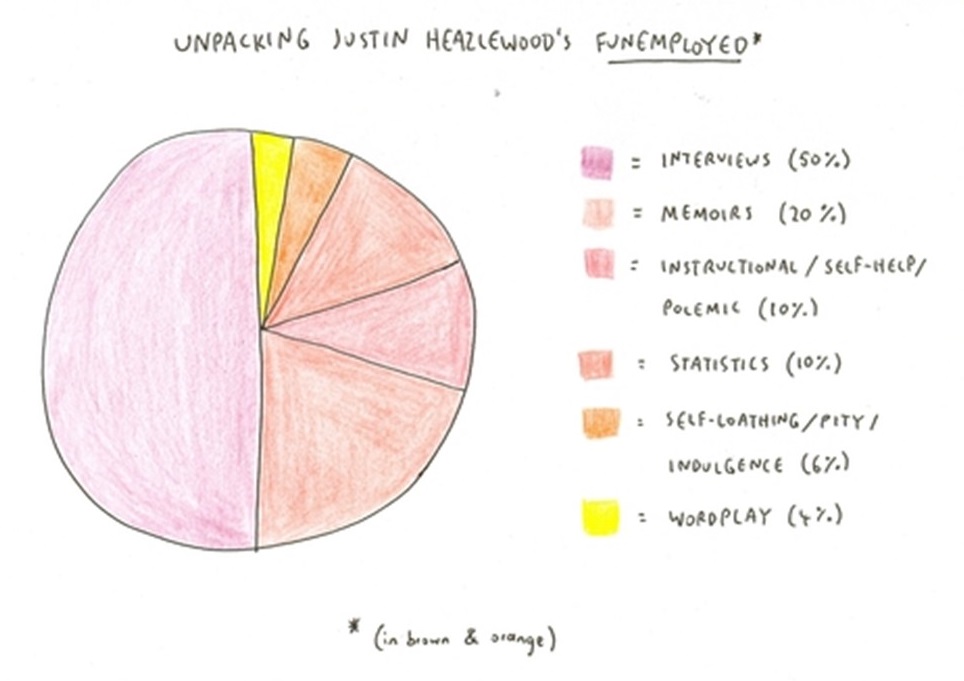
It took me about seven months to write the first draft of Funemployed: Life as an Artist in Australia. Two months were spent conducting interviews and researching, while the next five were spent writing, (conducting interviews all the while).

While money poor, I was time rich. At the time I was subsisting on my usual cocktail of Bedroom Philosopher gigs and Centrelink.
(I still paid taxes, Brad.)
It allowed me to work on the book in almost full-time hours. I didn’t know how long it would take, but set myself a January deadline. I was so obsessed with finishing on time that I spent Christmas Day and New Years Eve home alone.
The first draft was hole-punched to confetti. It wasn’t holding together as a book – there wasn’t enough narrative structure, or point. As a reader, the publisher was asking ‘why am I reading this?’ I was devastated. For someone who was used to being their own boss in the recording studio, this was an ego smackdown. I swore into the swimming pool, paced around the block a few times and started on the second draft. This took around two months, from February through April 2013. Although I had more than enough interviews, I disappeared down a rabbit hole of ‘you should interview this person’ and always had a potential subject on the go.
In April, my publisher delivered the news that the book still wasn’t cutting it. As they no longer had time to edit the manuscript, it was hand-balled to a freelance editor. If the first draft was ripped to shreds, the second was melted down for parts. The freelance editor delivered seventeen pages of notes, outlining in compelling detail what was working, but mostly what wasn’t.
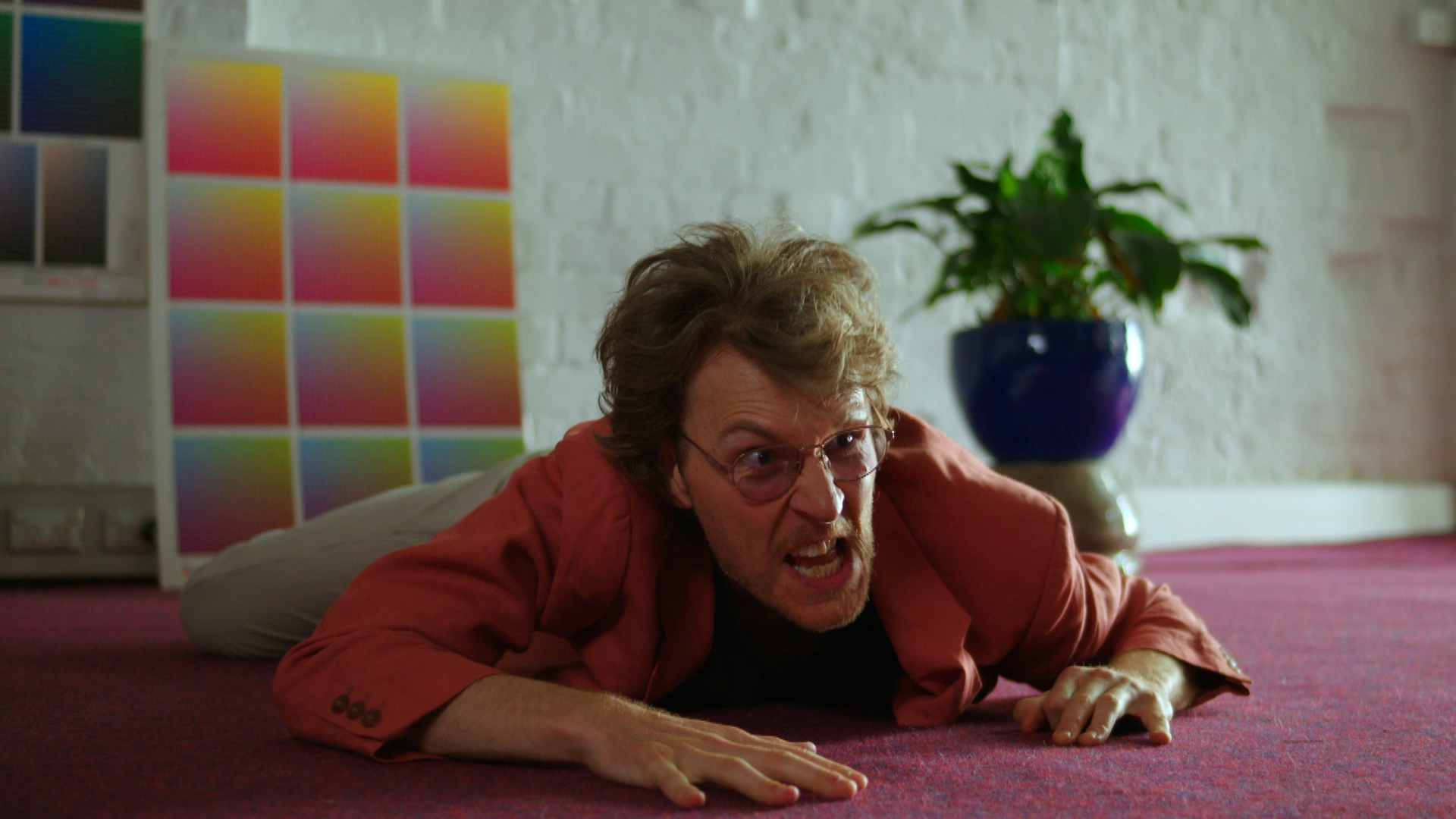
The book was too insular, too snarky, too much about me (they made it sound like a bad thing) – I needed to open it up, address the reader, provide solutions (get a haircut and get a real job). Reading my own private criticism file for the first time was like having my soul graded. Here I thought I was being cutting-edge and maverick – recreating the wheel. I was more like the Melbourne Star.
I needed help.
(At least I got a new Boards of Canada album in June. Appropriately apocalypse themed, ominous, crisp, moody and dense.)
In mid-2013 I won a Hot Desk Fellowship at the Wheeler Centre. From July-September I could leave my gloomy apartment (not to mention din from some bloke buzz-sawing over the fence) and commute into the city to write. This boosted my confidence and gave me fresh wind (pardon – sushi and coffee don’t mix). Armed with seventeen pages of notes, I literally had an instruction manual on how to finish the book.
Until this point I’d written mostly 650 word columns. This was 70, 000 words.
I was learning on the job.
The third draft was where it gelled (pardon – new hairdresser). After a year thinking heavily about the subject, I had found my own voice (other than the one doing a Bert Newton impression reading my eulogy at four am). I could now make my own claims and draw my own conclusions rather than relying on outside voices (such as Ben Eltham and Bony from Trapdoor).
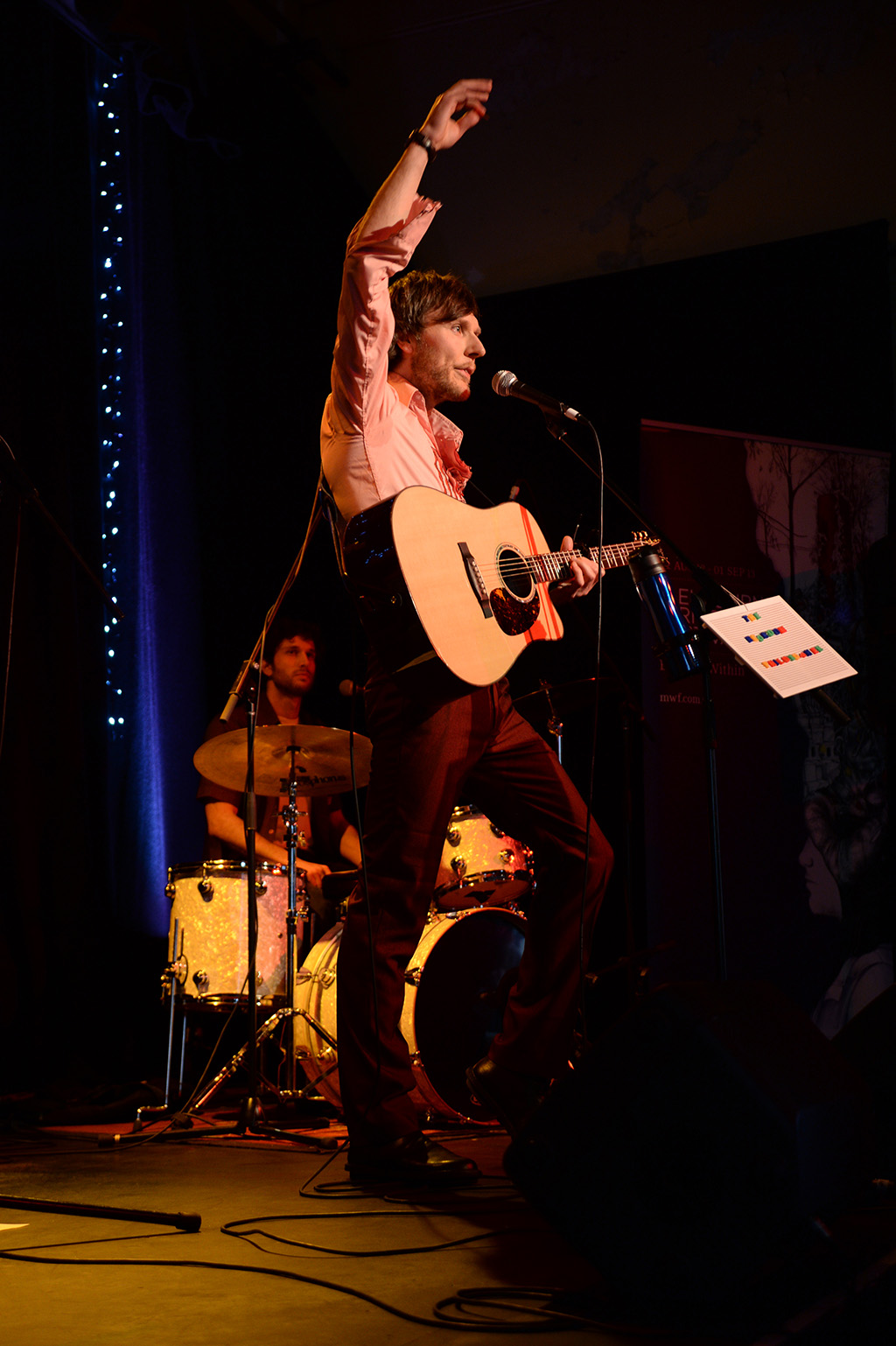
The third draft took four months and was delivered in October 2013. During this time I was still gigging heavily – a traumatising challenge as I jammed my gears from introversion to extroversion, like performing during my own operation. (Comedy is actually easy. I make it look hard.)
One massive advantage of my ten years of being a share-household name was that I had a warm, generous fan base to draw from. The idea of typing up 100 odd recorded interviews was comatosing. I was amazed at the volume of keen beans who came to my aid with secretarial assistance. Without the help of these volunteers, there is no way Funemployed would be any kind of book to stand out from the pack (of three) today.
In November 2013 the verdict came – I’d nailed it! (As in, nailed myself to a cross, in a good way.) I’d built a strong narrative structure, warmed up my tone and hung my quotes appropriately (like beads on a necklace). I was thrilled. The hard work had paid off.
Upon its release Funemployed was being described as ‘easy to read’ and a ‘page turner’ and ‘what did you say about my mum?’ (enough about Ballarat.) This is due, no doubt, to the rigorous drafting process, long-leash I was given to write and edit the book and years of casual bullying from Sam Simmons.
The greatest things in life are often the hardest work – but well worth the journey.
Now, where’s my house and wife at? I’m lookin’ at you Castlemaine.
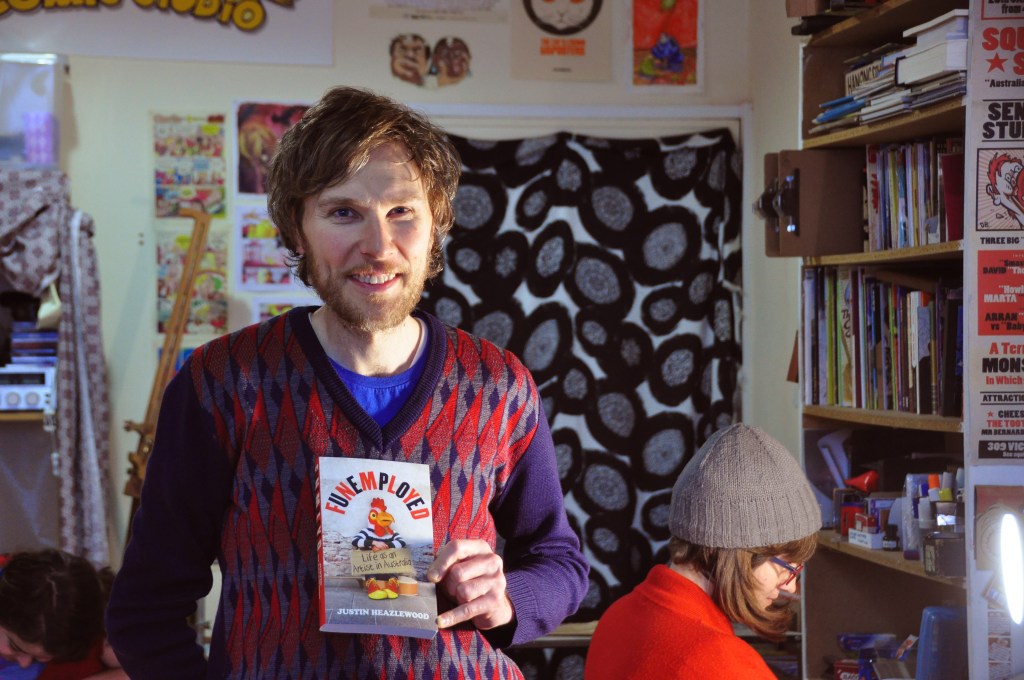
Funemployed helped a lot of people. I received a bouquet of messages, like the one from Brisbane poet Zenobia Frost:
The whole sharehousehold (we’re all creatives, usually in creative debt) is passing it around like a joint.
I even got to befriend one of my indie idols (Ross McLennan from Snout) after his partner noticed I’d namechecked him and bought a copy.
When Josh Pyke sends you an email it is usually a good day.
Marketing wise, there were some setbacks. Half of all people insisted on calling it ‘Funemployment.’ A board game with the same name launched in America the year before. It was a book about the arts so the ABC dubbed it controversial.

The critical reviews were mostly positive. Newtown Review of Books had cool things to say and it currently has a rating of one million on Goodreads (give or take 999, 996.2). The only person to lay some All-Stars into it was a bloke from The Lifted Brow. I was pretty sensitive about it. It sort of reads like a compliment today.
One of Oliver’s gripes was that I didn’t break down the numbers of music touring and be more specific about how hard it is to make money. So, I ended up doing exactly that for my chapter ‘Justin Heazlewood’s bouncing reality check’ in the 2015 book Copyfight.
I launched Funemployed at Howler in Melbourne June 1, 2014. I billed the event as ‘Art Day!’ and read the book in its entirety over 13 hours. I rounded up thirty of the artists included to read their quotes live. It was a long day, but successfully executed (as much as anything with your ex dressed as an onion can be.) Frente’s Angie Hart dug it. Bob Franklin wowed the crowd with his comedy short film. 2018 Archibald prize winner Yvette Coppersmith was on hand painting all day.
I was proud, but beyond exhausted. I took the next three years off.
Funemployed was included on a couple of art school curriculums (like Collarts for anyone doing their ‘Industry placement’ course and Melbourne Uni psych students studying the mindset of a depressed person). I wanted it to be something people could read other than ‘The Artists Way’ which was very Americanised and mentioned God a lot. In 2015 I was nominated for the Most Underrated Book which feels like the only award where your career goes backwards by winning.
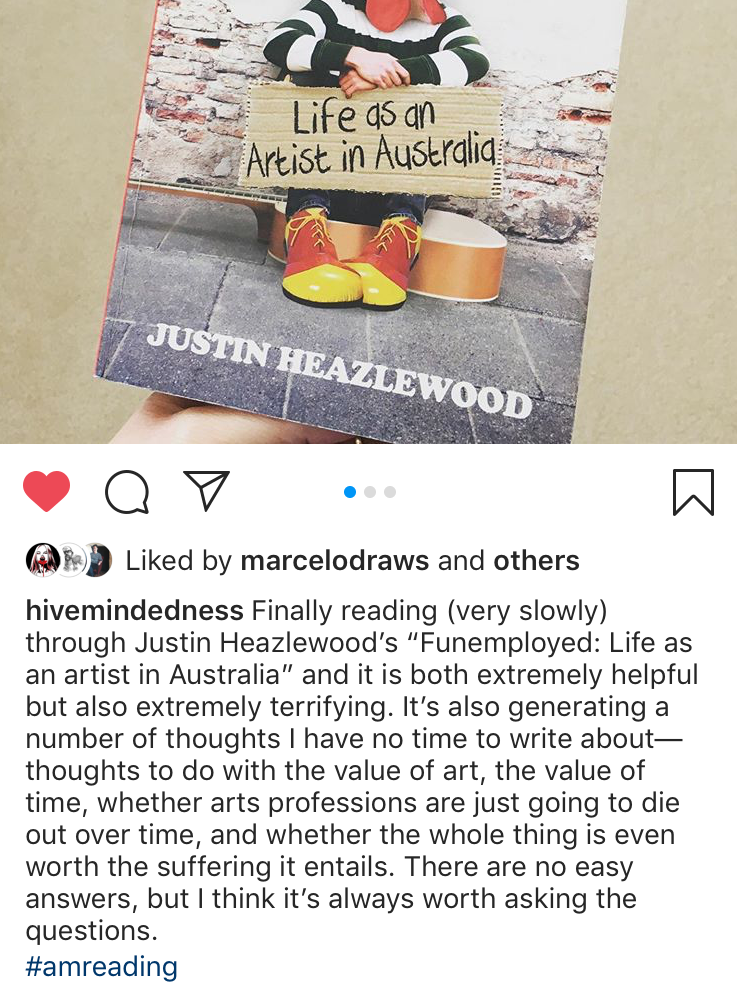
At risk of tooting my own kazoo, I can only imagine Funemployed has dated well. During the pandemic, vulnerability went mainstream. It was all the rage to talk about the precarious position artists were in. In 2015, such emotional soul-bearing was confronting for some. Australia was like ‘these be peace-times, reign in your victimised pontificating ya hipster pill.’ And I was all like ‘I don’t know what I’m doing with my life.’
But, a thousand bone-dry articles can’t be wrong – the arts are still on life support. Creative people are glorified clown peasants. It’s like, impossible to make money from a career in writing (damn you to hell, showbiz.) Even Iggy Pop can’t make a living off his art. Amy Shark reckons being a musician isn’t worth it for the social media grind. Respect and context are stripped for parts with titles like ‘content creators.’ No-one wants to pay for anything. The older you get, the more sense it makes to pack up your tent and disappear into the night.
Still, we try. Hard.

To be discontinued.
- Funemployed is out of print. You can buy very limited copies from me at the moment HERE.
- Check out my interview in Broadsheet as well as a spoken interview with ABC Books & Arts. Here is an excerpt from the book about failure.
- See more about Funemployed including the full Lifted Brow review, links to the 2015 RN radio series and promotional video ‘I Don’t Know What I’m Doing With My Life.’
Any questions (for Brad?) Blow it out your artshub.

People are wonderfully, disastrously incomplete. Art fills in the blanks with colour. It renovates your soul. In a country that has outsourced all of its manufacturing. Artists are spiritual nation builders, manufacturing truth and beauty. Going down the emotional coal mine of their own pain and turning the shitrocks into electricity with more heart than Don Bradman riding phar lap onto the shores of Gallipoli. Australia needs her artists. Whether she knows it or not. Have you been outside. It’s a capitalist Orwellian neoliberal nightmare. No offence Sydney. Buy this, tweet that – girl dies from status anxiety after being stabbed with newspaper. *
* Quote taken from my tensely received talk at ‘Art After Hours’ at the Art Gallery of NSW, 2014. I had no idea there was a recording of this until just now.
In the documentary Life in Movement, choreographer Tanja Liedtke spoke about the moment she became a dancer. ‘People used to ask me, “What do you want to be when you’re older?” I was three at the time and I used to say, “I want to be a flower.”
I didn’t understand that it wasn’t possible. Then I went to see my neighbour in a school concert. They had tutus and things on their heads and they were flowers and they were dancing. I thought,
Oh, all these adults telling me that I can’t be a flower, but I can, I’ve seen it happen.’
R E L A T E D // R E A D I N G
- Eight Things They Don’t Tell You About Being An Artist (Junkee, 2014)
- Artist Paradoxes (ABC’s The Mix, 2014)
- John Clarke Interview (Post, 2017)
- How Artists Really Make Money (2016 Artshub article quoting from my work)
 f u z z y ⚡ l o g i c